Wednesday 6th November 2019
Todorov -
-equilibrium - everything is normal
-disruption/disequilibrium - something happens
-recognition - think about how to solve the problem
-repair - the problem is resolved
-new equilibrium - life returns to normal or to its new state after events
Magazine - the magazine often helps people through recognition, repair and then a new equilibrium
-equilibrium - everything is normal
-disruption/disequilibrium - you see the magazine talking about weight loss
-recognition - makes you realise you are fat
-repair - mag tells you how to lose weight
-new equilibrium - you've lost weight
Narrative
consider the way the front cover creates a narrative about character and lifestyle in order to attract an audience?
what are they trying to sell?
lifestyle - not mainstream abstract lifestyle - aspire to be like that
more natural lifestyle - organic way of living

what do we learn about the feature star from the cover how might this relate to our lives?
The woman provides an alternate lifestyle
very natural
relaxed
'power and poise' - traditionally not associated with women
Jewelry
little to no make up
powerful pose - looking down at the reader
The way in which the cover stories create enigma and anticipation for the reader - to be fulfilled by reading on.
Very little on the front cover, makes you wonder what is inside
no cover lines
understated
what enigma codes are used (clues and hints) why will they appeal? what are the magazines offering that we may not get elsewhere?
lower case fonts, in white - understated
doesn't tell you what the magazine is about
neutral colour pallet
'mischief' - stands out intriguing
we don't know who she is - we want to find out. don't even know her name, what she has done to get on the front cover.
'power and poise' - in relation to what?
'words of hard won wisdom' - we ant to hear that, did she say that
language used
Strauss - binary opposition - two things that are completely different
often created because it makes conflict and makes it more interesting
colours
fonts
semiotics
identify target audience - how is it constructed to appeal to them
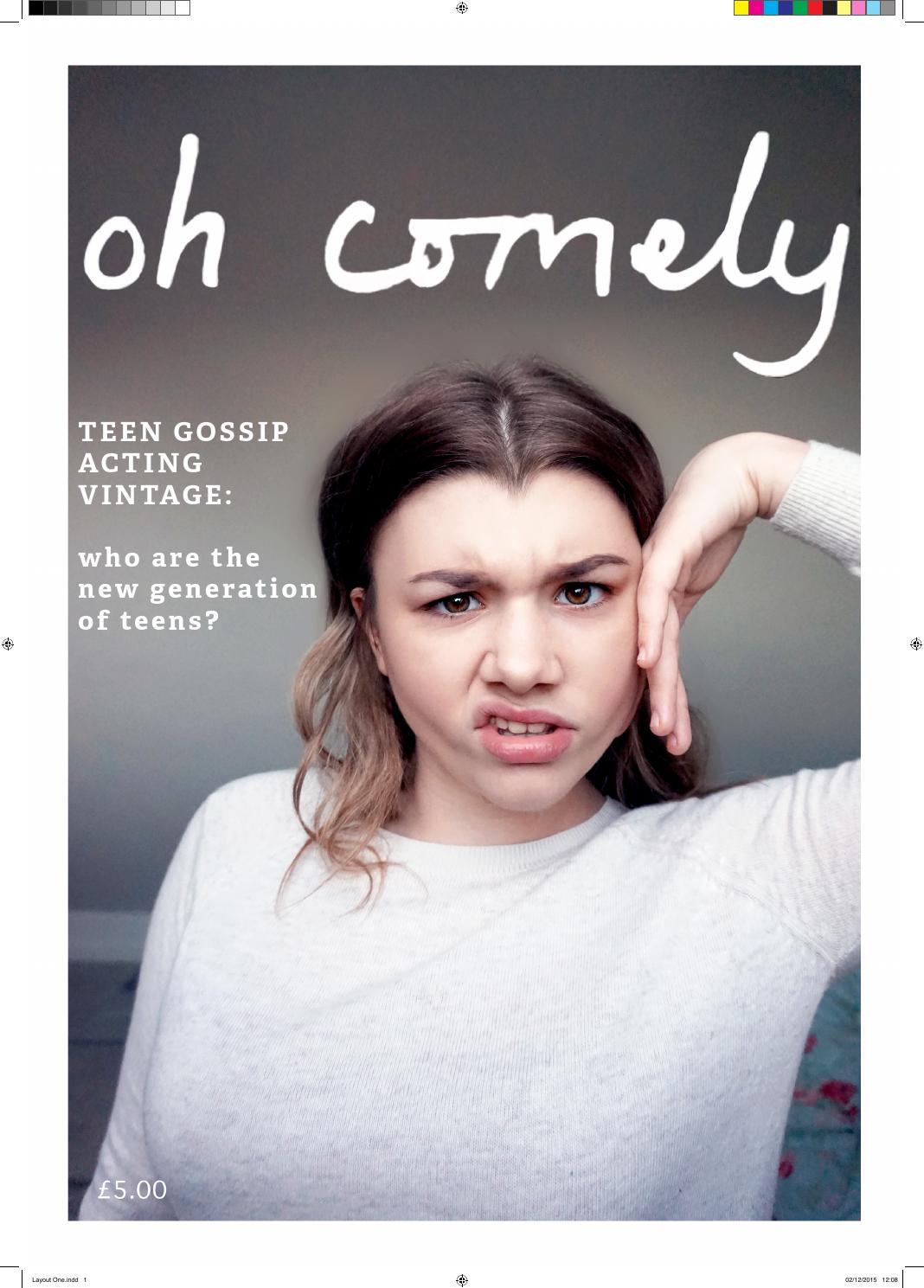
teens - looks confused/angry - stereotypical teenagers - her pose
'acting vintage' - more mature
teen gossip - stereotypical
'who are the new generation of teens?' - Target audience out of touch with modern day teenagers. Need questions answered. Could potentially have teenagers themselves.
neutral colours - links to vintage
only one cover line - the only issue that this magazine covers/ is focused on
interrogative - contrasting their views now to when they were a teenager - changed a lot since target audience were teenagers.
asking reader to compare experiences
hidden in bottom left corner - blends into her jumper
middle class - relatively expensive. disposable income, steady jobs
published 6 times a year - get away with a higher price. more detailed issue. get more for your money
homely stetting - not associated with grey - could be a metaphor with the confusion of adolescence.
Binary oppositions -
background is dark compared to model - turbulent/mood swings - metaphor of conflicts and emotions. Formative years - she is the future.
her pose - stand offish
not natural
confused - typical teenager
direct address
frustration
uncertain
not a pose you would expect on a magazine cover
other women's magazines might show her in more sexual way
identity crisis - all readers can relate to this. mirror expression- an expression you would pull to yourself into a mirror
Men's health is for a mass audience whereas Oh Comely is niche

Compare the specific choices that have been made in the representation of gender in your products.
.-how gender is represented through processes of selection and combination
Mens magazine - men are powerful - all men should look like Vin
hero shot - confident - authoritative. designed to make him look bigger.
direct address - intimidating
coverlines -
shortcuts - makes it seem easy to get a body like his - encouraging
Hyperbole - build a six pack for life - not true
powerful adjectives - 'demolish'
all about how you look
his look - can only achieve this through hard work .direct address institution challenging readers to take control of their appearance
.-the reasons for the choices made in the representation of gender.
oh comely phsycographic - reformers, propp's character - hero, magazine, model- sending reader on quest for knowledge, dispatcher
men's health - aspirers - Todorov. Vin - Propp's character theory, hero
.-the similarities and differences in the representations of gender
men's health - traditional
oh comely - much more progressive. not tried to enhance her looks
.-how far these representations are influenced by historical, social and political contexts of media.
Mid 2000s - men can be emotional
There are still a lot of stereotypes
oh comely - historical - no stereotypes - next generation is going against tradition
.Men's Health has many cover line to get the target audience to read on whereas Oh Comely uses enigma codes and mystery to appeal to their target audience.
Men's health uses a hero shot of Vin Diesel, aspirational - want to look like him
Blue text - associated with boys - masculine colour
female gaze theory
get back in shape special - January edition, after Christmas
Hyperbole - build a six pack for life - not true
powerful adjectives - 'demolish'
keeping with the magazines core values
serif font apart from the title - shows importance
they are both stereotypes of their respective genders gender - teenage girls are always moody whilst Vin Diesel is always manly
The main image on both and their stances magazines both highlight what the issue is about - Men's health is blasting body fat whereas oh comely is about teenagers
Vin looks confident whereas the other woman does not
men's health is more persuasive
iceberg press - publish Oh Comely
how do the aims of 'oh comely' differ to the more mainstream women's magazines like 'closer', 'glamour' or 'heat'?
oh comely is much more personalised. Wants you to stay the way you are/don't change, accept yourself. no pressure. achievements are more important that what you look like.
the others are more about beauty and your appearance. it makes you want to change. much more product endorsement/advertising. gossip/lifestyle focused. be skinny. gender biased? contradictory headline of cover. Saying that looks gives you worth.
how do the aims of 'oh comely' differ to men's health? what are their attitudes to gender stereotypes?
men's health - conforms to gender stereotypes. focused on fitness and self improvement - the idea that you can always be better. promotes image that men have to be strong. fitness, what the magazine is about. has aspirational goals. rooted in traditional male stereotypes.
oh comely - music/art. defy gender stereotypes
iceberg press -
independent publishing company
makes 2 magazines - simple things and oh comely
they took over 5 years ago
'where the reader is as important as the advertiser' won't promote something that for the sake of it
'didn't want to portray perfection'
'put the reader at the heart of what we do'
thinks that most publishers have forgotten their readers
Lisa Sykes
David Parker
Guy
annotating front cover -

narratology -
enigma - something that creates mystery -
how do you achieve power and poise
what is suprisingly strong
where is she stood
do these apply to her?
enigma codes - bland colours - actually stand out
change women's perception of themselves
looking down
taken outside no make up - links to her being organic/not artificial
Barthes' semiotics - the study of signs and the meanings they give
neutral colours - not about celebrities - not in your face
light and dark colours - levi strauss - binary opposites
words power and poise - spotlight her
lack of make up - truthful, nothing to hide.
power and poise - combined, binary opposite.
Representation -
subverting stereotypes
natural
tasteful
female empowerment
natural beauty?
casual
could not apply male gaze theory
challenging traditions
acceptances
Hall's reception theory -
dominant - agreeing with coverlines
negotiated
oppostional - likes heat magazine
intended -
intended will engage with the magazine because no one else will be interested. women aged 20 - 30s. more creative. left leaning - challenging tradition.
Theories that are most prevalent for oh Comely:
Barthes - semiotics
can be applied to any sign/form of media. more common in print media. examine connotations and ideology
draws the attention to the naturalising effect of ideology in any text - this applies particularly to newspapers and magazines, as headlines typically assume a shared view of the world with the readers in order to be easily understood.
Neale - repetition and difference
the concept of genre as a shared code explains how genres can change(e.g. the middle market tabloids, such as the Mail, that follow both 'tabloid' and broadsheet 'conventions')
hybrid genres
Baudrillard - simulacra - hyper-reality
everything in media is a construction of something.
reality Vs artificial
loss of reality
reality, heightened reality - more intense reality, artificial copies= simulacra, so artificial it is not reality at all. artificial reality becomes difficult to distinguish from actually reality.
i.e oranges, orange juice, fanta, terry's chocolate orange
oh comely - tries to make things look authentic - never will be the case when making a mainstream media product as it is a construction.
Hall - representation theory
can be applied to any media product
applies particularly to the way in which headlines try to fix the meaning of a representation, botht the copy and the photographs
draws attention to the role of power in representations - both the general distribution of power in society and the power of the print media in an institutions - but also the power of the audience to decode representations in different ways.
Gauntlett - identity
applies in the sense of identity that a newspaper or magazine can offer its readers - e.g. the identity of a liberal, progressive Guardian reader or a patriotic, hard headed Mail reader; a royalist Hello magazine reader or left leaning Big Issue or Private Eye reader.
applies to the way different sections of print media offer diverse and sometimes contradictory media messages to audiences, thus offering a range of points of identification.
Van Zoonen - feminism
the concept of patriarchy may be applied to the ownership and control of print media companies, the recruitment and ethos of the professionals, news values, and the representations of gender, especially the representation of women's bodies.
egalitarian society - equal
Exam Questions - due next Wednesday
How does the front cover create a narrative about character and lifestyle?
Oh comely promotes an organic lifestyle. We know that
because they use natural colours like grey, white and green that would appeal their slightly older target market of women aged 24 - 36. The front cover image is also taken outside, which adds to the organic feel. It also promotes self-confidence
and self love. The women on the front cover usually have little to no make up. other magazines focus on self improvement and body image, saying that you can always look better, and gives advice on how to 'improve' yourself.
The cover lines also manage to create enigma as it makes the reader wonder if the words 'power and poise' refer to the model on the cover or if they are talking about someone else in the magazine. Other magazines use star theory to appeal to their target audience, but Oh Comely uses models who are not well known, and that adds to the intrigue and helps build character for the model on the front cover as people will already have a perception of her even before they read the magazine and find out. It also means that different people will have different interpretations of who she is and what she has done to get on the front cover of a magazine.
How does the magazine challenge traditional representations?
The cover for oh comely challenges traditional magazine
covers as it subverts typical stereotypes of young women. In other magazines,
such as Cosmopolitan or Men’s Health, it overly sexualises the cover star and
heightens certain features to attract their target audience. The target
audiences for oh comely and cosmopolitan are different as cosmopolitan is aimed
at aspirers and oh comely at succeeders. Oh comely also uses different colour
pallets than other magazines.Oh Comely is a lot less focused on body image when compared to other magazines. They use a minimalistic colour pallet with
colours such as grey and white. They are harmonising colours that give the
magazine a homely and comforting quality because it is likely that they would have similar colours in their homes. This gives the reader a sense of familiarity before they even read the magazine itself.
Oh comely also uses less cover and strap lines. It means
that there is a lot less going on, and the reader can take their time to digest
the message that the publishers are trying to portray. It is a lot clearer to
understand, and makes it seem much more trustworthy.
The women on the front cover typically wear minimalist make up so that it is hardly detectable. This challenges preconceptions of what beauty is, as most magazine covers not only feature models wearing make up but also the content of the magazine give tutorials on how to wear it.
Comments
Post a Comment